
Mobile Cranes
Request a Job Quote
Submit a Quote Form and a TNT Sales Representative will be in contact with you as soon as possible.
GET A QUOTECapacities up to 900 Tons
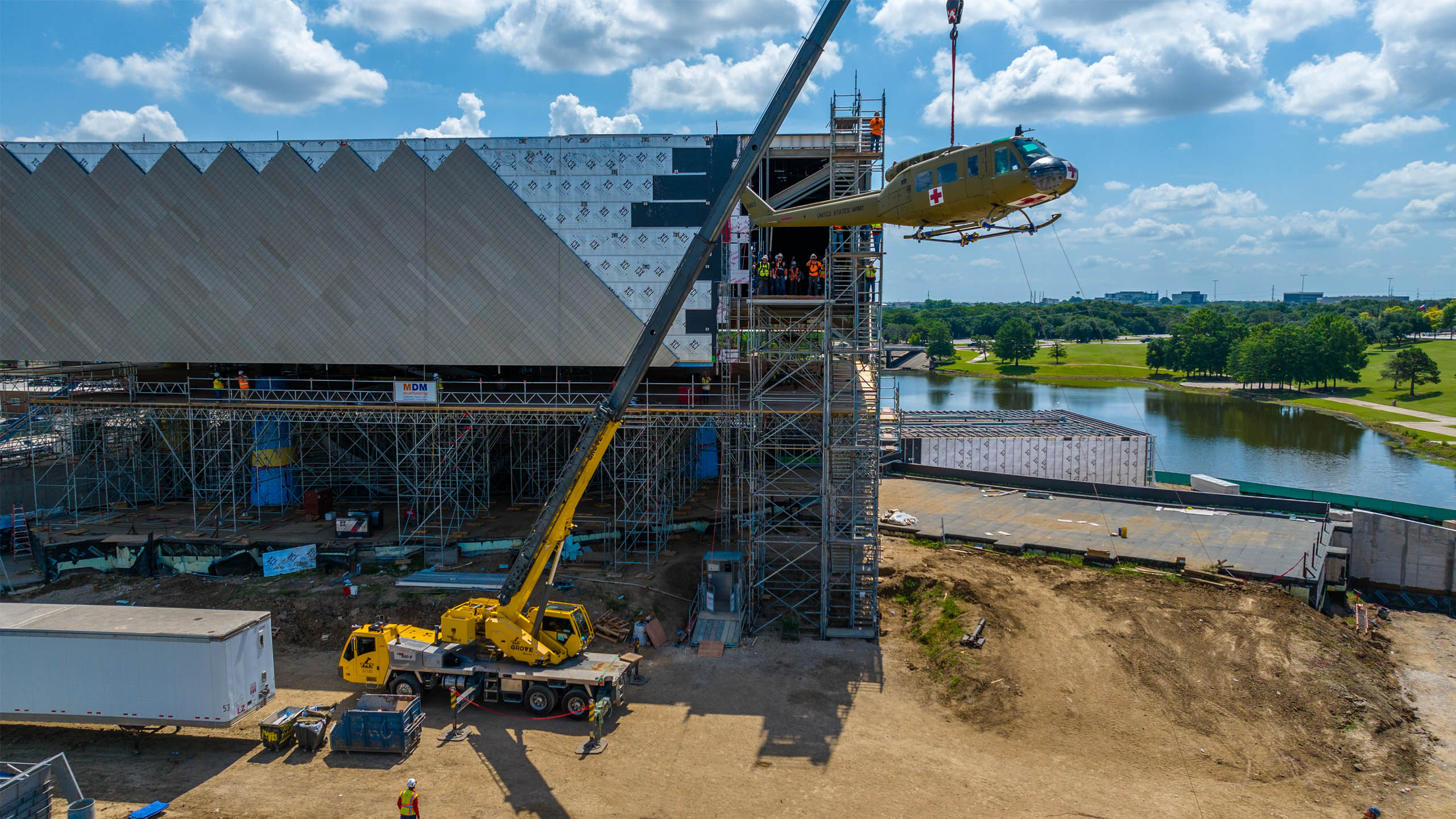

All-Terrain Cranes
All-Terrain Cranes boast large lifting capacities with efficient setup times making them ideal for infrastructure projects, alternative energy, tower work, and rooftop equipment. All-Terrain Cranes are equipped with multiple counterweight and jib configurations, allowing the crane to perform long reaches with ease.
Hydraulic Truck Cranes
Hydraulic Truck Cranes are multi-use cranes that are highway legal and feature an assortment of counterweight and boom configurations, making them great solutions for short-term or long-term projects.
Boom Trucks
Boom Trucks are Mobile Cranes featuring a telescopic boom on a truck chassis that provide impressive boom lengths for their size. Boom Truck Cranes are great for their versatility, efficiency, and mobility. Boom Trucks are a great solution for smaller lifts such as rooftop equipment, cell tower cabinets and antennas, sign work, and roof trusses.
Carry Deck Cranes
Carry Deck Cranes are for hoisting a load in a confined space, placing a load on the crane deck, and subsequently moving the load to another location on site. Carry Deck Cranes are a great solution for jobs that require a crane that can pick and carry a load over short distances.
Browse Crane Library
Technical Specifications | Crane Capabilities | Load Charts
Frequently Asked Questions
All-terrain cranes versus hydraulic truck cranes?
All-terrain cranes feature specialized chassis with hydro-pneumatic suspension and multi-axle steering enabling both highway travel and off-road operation, while hydraulic truck cranes use standard truck chassis primarily for paved roads with limited off-road capability. TNT Crane & Rigging’s all-terrain fleet (75 to 900 tons) offers superior versatility with all-wheel drive for challenging terrain, while hydraulic truck cranes provide efficient solutions for projects with good road access and level ground.
How much weight can a mobile crane lift?
Mobile cranes lift between 10 and 900 tons depending on crane type, boom configuration, and operating conditions, with actual capacity determined by factors including boom length, lift radius, and ground stability. TNT Crane & Rigging’s fleet of over 700 cranes ranges from 1 to 900 tons, with specific capacities detailed in manufacturer load charts that account for boom angle, outrigger extension, and load radius.
How long does mobile crane setup typically take?
Mobile crane setup typically requires 30 minutes to several hours depending on crane size and complexity, with smaller truck-mounted cranes often ready within an hour while larger all-terrain cranes may need several hours for counterweights and boom assembly. TNT Crane & Rigging’s experienced crews follow systematic procedures including outrigger deployment, load testing, and safety inspections to ensure proper configuration before operations begin.
What site preparation is needed for a mobile crane?
Proper site preparation requires firm, level, well-drained ground capable of supporting crane weight and outrigger loads, with adequate clearance and appropriate support materials like timber mats or crane pads based on soil bearing capacity. TNT Crane & Rigging provides guidance on ground bearing pressure calculations, support material selection, and site requirements including identifying underground utilities, establishing level surfaces (typically within 1 to 2 percent grade), and ensuring adequate swing radius clearance.
Can boom trucks operate on public highways?
Boom trucks can legally operate on public highways when properly registered, insured, and complying with state and federal weight, dimension, and licensing requirements, making them efficient for projects requiring frequent relocation. TNT Crane & Rigging ensures all mobile equipment meets Department of Transportation requirements, with our team handling permit coordination and route planning for safe, legal transport.
What are carry deck cranes used for?
Carry deck cranes are compact industrial cranes with 360-degree rotating booms designed for confined spaces like manufacturing plants, warehouses, and refineries where maneuverability is critical. With capacities from 9 to 25 tons and flat decks for transporting materials, TNT Crane & Rigging uses these cranes for equipment installation, facility maintenance, and indoor construction where they can navigate narrow aisles and tight quarters.
What capacity crane do I need for my project?
Selecting appropriate capacity requires calculating total load weight with rigging, determining maximum lift radius, and consulting manufacturer load charts for boom length and configuration. TNT Crane & Rigging’s lift planning specialists evaluate load specifications, required height and reach, site conditions, and project duration to recommend solutions from our fleet ranging from 1 to 900 tons with appropriate safety margins.
Are mobile cranes suitable for confined space projects?
Mobile cranes effectively serve confined space projects when properly selected, with compact options like carry deck cranes and smaller all-terrain cranes designed for tight quarters and restricted access. TNT Crane & Rigging evaluates access routes, ceiling height, floor capacity, and clearance requirements to determine which configuration provides optimal lifting capability within your space constraints.
What permits are required to operate a mobile crane?
Mobile crane operations require certified operators meeting OSHA and ASME standards through organizations like NCCCO, plus local permits for right-of-way usage, traffic control, and oversized transport varying by jurisdiction. TNT Crane & Rigging maintains necessary certifications and coordinates permit applications including lift plans, traffic control plans, insurance documentation, and inspections, plus highway travel permits and FAA notifications when required.